Nous aidons les entreprises à transformer leur activité physique en digitale et à maximiser leur succès.

Today, complete brand guidelines are an essential part of a company’s visual identity. They define clear visual rules and ensure consistent communication across all materials.
A company communicates through different channels, including its website, social media platforms, business documents and printed materials. For this reason, maintaining a consistent visual identity is essential.
Moreover, complete brand guidelines help unify the company’s visual communication. They define the rules related to the logo, colors, typography and other graphic elements.
As a result, each material follows the same visual standards. This consistency strengthens the brand image and improves the company’s recognition among its audience.
What Are Complete Brand Guidelines?
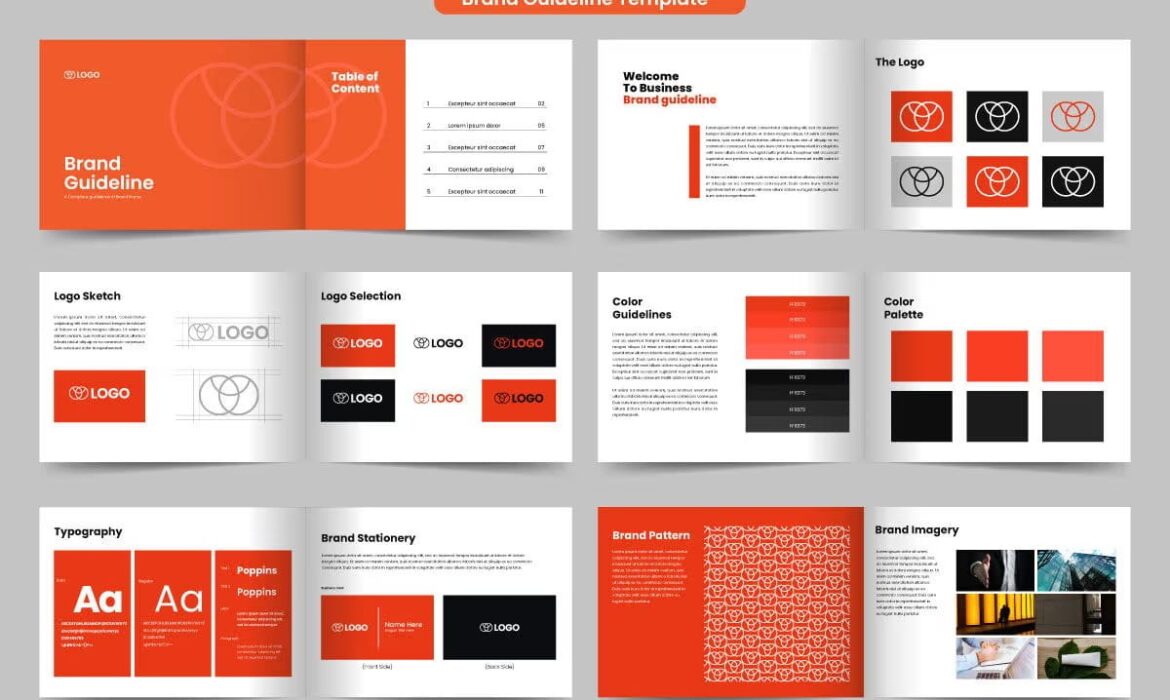
First of all, complete brand guidelines are a document that brings together all the visual rules of a brand. They define the graphic elements that make up the visual identity and explain how they should be used across different communication materials.
In addition, they ensure visual consistency across all the channels used by the company. Each piece of content follows the same graphic standards to maintain a unified communication style.
As a result, companies develop a more professional identity and become easier for their audience to recognize.
One of the main objectives of complete brand guidelines is to improve brand recognition. When a company uses the same colors, typography and visual elements across all its materials, it becomes more identifiable to its audience.
Furthermore, this visual consistency makes the brand easier to remember. Customers can more easily associate specific graphic elements with the company, its services and its values.
Therefore, brand guidelines directly contribute to strengthening brand awareness, credibility and long-term customer trust.
Ensure Consistent Communication
Consistency is an essential part of any communication strategy. Complete brand guidelines help maintain visual harmony across all the digital and printed materials used by the company.
They also prevent inconsistencies that could damage the brand image or create confusion for users. Teams have clear rules to follow when using the different graphic elements.
As a result, communication becomes clearer, more professional and more effective, regardless of the channel used to share the message.
Simplify the Creation of Visual Content
Creating visual content regularly has become essential in digital marketing. Today, companies publish visuals for social media platforms, websites, advertising campaigns and business materials.
Thanks to complete brand guidelines, creating this content becomes simpler, faster and better organized. Designers and marketing teams already have defined colors, typography and graphic rules to follow.
This organization saves time, reduces visual mistakes and ensures consistent quality across all communication materials.
A Key Element of Digital Marketing
Digital marketing relies heavily on visuals and visual consistency. A company with a unified graphic identity inspires greater trust among users and improves the perception of its professionalism.
Visitors often pay close attention to the visual appearance of a brand before discovering its products or services. A professional graphic identity therefore improves the overall user experience.
As a result, complete brand guidelines become a valuable tool for supporting digital marketing actions, strengthening the brand image and increasing the company’s visibility.
Adapt Your Visual Identity to Every Channel
Today, companies communicate across many channels. A visual identity must be suitable for a website, a social media post, a business presentation or a printed document.
Complete brand guidelines also define the different logo variations, visual formats and usage rules adapted to each material to ensure consistent communication.
This flexibility helps maintain a professional image while meeting the technical requirements and specific needs of each communication channel.
A structured visual identity immediately reinforces a company’s professionalism. Customers are more likely to perceive a brand as organized when it uses graphic elements that are consistent, harmonious and suited to its activity.
In addition, complete brand guidelines simplify collaboration with partners, agencies and service providers. Everyone can follow the same references when creating materials that reflect the company’s brand image.
As a result, the company improves the quality of its communication, strengthens its credibility and ensures greater consistency across all its marketing and commercial actions.


