
Nous aidons les entreprises à transformer leur activité physique en digitale et à maximiser leur succès.

Today, visual identity plays an essential role in a company’s communication. It represents the brand image and directly influences the perception of customers, partners and prospects.
A strong visual identity helps a business stand out from the competition and create a professional image. It also strengthens the company’s credibility across all its communication materials.
Moreover, consumers are exposed to many brands every day. A consistent visual identity therefore makes a company easier to recognise and remember.
As a result, building a strong visual identity has become essential for improving visibility and developing a business sustainably.
Define the Brand Image and Values
Before creating a visual identity, it is important to clearly define the image that the company wants to convey. This step helps identify the brand’s values, personality and positioning.
In addition, an effective visual identity must reflect the company’s activity and objectives. Each graphic element should contribute to communicating a consistent message to the audience.
This reflection forms the basis of a solid communication strategy and facilitates future visual choices.
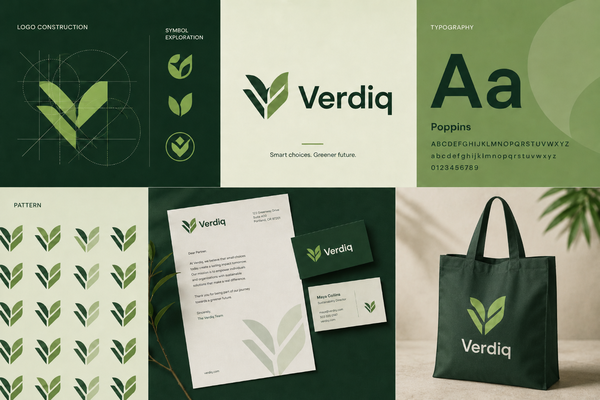
The logo is often the first visual element associated with a company. It plays a central role in building the visual identity and directly contributes to brand recognition.
Moreover, a professional logo should be simple, readable and easy to identify. It must also be suitable for use across different formats without losing its visual impact.
A well-designed logo therefore helps strengthen the company’s credibility and improve the perception of its professionalism.
Choose a Consistent Colour Palette
Colours play an important role in visual identity. They influence emotions, perceptions and the way a brand is perceived by its audience.
In addition, a consistent colour palette makes it easier to recognise the company across its different communication materials. It also helps create a more harmonious and professional image.
The choice of colours should therefore be made carefully to ensure long-term consistency.
Select Suitable Typography
Typography also contributes to building a visual identity. It influences the readability of content and strengthens the brand’s graphic personality.
Moreover, it is recommended to limit the number of fonts used to maintain consistent and easy-to-read communication.
Suitable typography therefore helps improve the user experience and strengthen the impact of the communication.
Create a Complete Brand Style Guide
A brand style guide brings together all the visual rules used by the company. It defines how the logo, colours, typography and different graphic elements should be used.
In addition, it ensures visual consistency across all materials, including the website, social media platforms and commercial documents.
Thanks to this organisation, teams have a clear guide for producing consistent content that reflects the brand image.
How to Choose the Right Visual Elements?
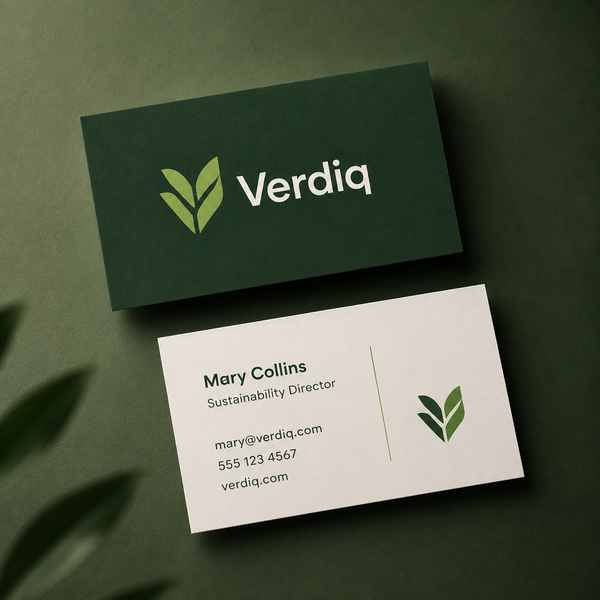
A visual identity is not limited to a logo or colours. It also includes icons, illustrations, photographs and the different graphic elements used in communication.
Moreover, each visual element should be selected according to the company’s activity and the expectations of its audience. The goal is to create a consistent and easily recognisable graphic universe.
Well-selected visual elements therefore improve the quality of communication and strengthen the brand image.
A strong visual identity is based primarily on consistency. Each communication material should follow the same graphic codes to strengthen brand recognition.
In addition, this consistency helps customers remember the company more easily and improves the user experience across different touchpoints.
Consistent communication therefore contributes to strengthening the company’s credibility and visibility.
The Importance of Digital Platforms in Visual Identity
Today, companies communicate mainly through digital platforms. A visual identity should therefore be designed to suit websites, social media platforms and digital marketing campaigns.
Moreover, graphic elements should maintain their quality and consistency regardless of the format used. This adaptability improves the effectiveness of digital communication.
A modern visual identity should therefore meet the specific needs of digital platforms while maintaining a consistent image.
The Role of a Communication Agency
A communication agency supports businesses in the creation, development and evolution of their visual identity. Thanks to its expertise, it analyses the brand’s positioning, objectives and audience expectations to build a consistent, professional image adapted to the market.
Moreover, the agency contributes to the design of the different graphic elements that make up the visual identity. It participates in creating the logo, selecting colours and typography, and developing a complete brand style guide. This approach ensures visual consistency across all communication materials.
As a result, the support of a communication agency helps develop a strong, consistent and sustainable visual identity. It also helps strengthen brand image, improve business visibility and create clearer communication with customers and prospects.


